
The Essentials of Planning a Memorable Safari Adventure

Embarking on a safari adventure is a dream for many travelers. The thrill of witnessing wildlife in their natural habitat, the beauty of vast landscapes, and the chance to disconnect from everyday life make it an unforgettable experience. However, planning a safari requires careful preparation to ensure everything goes smoothly. This guide will walk you through the essentials of planning a safari adventure that you will cherish forever.
Choosing the Right Safari Adventure Destination
Selecting the perfect destination is the first step in planning your safari adventure. Africa offers numerous options, each with unique wildlife, landscapes, and experiences. Popular safari destinations include Kenya, Tanzania, South Africa, Botswana, and Namibia.
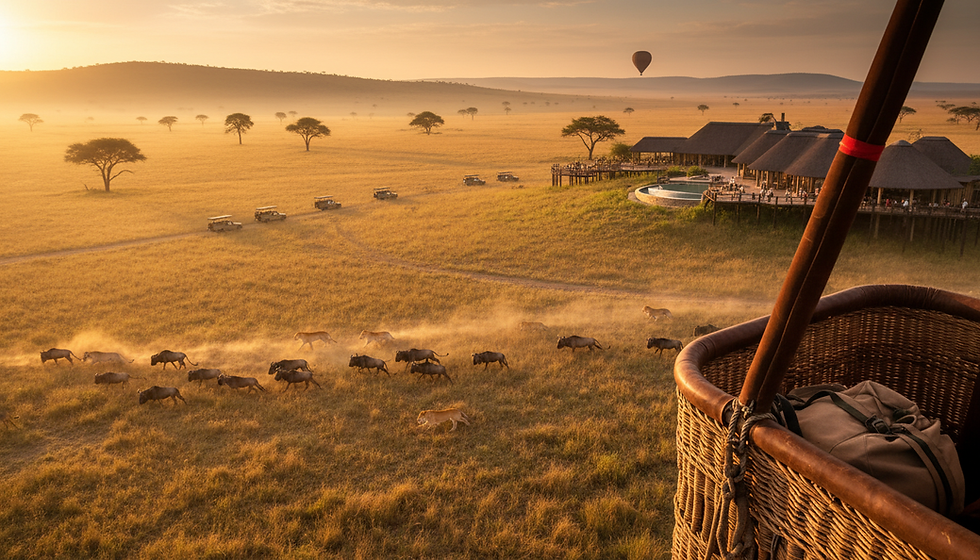
Kenya and Tanzania are famous for the Great Migration, where millions of wildebeest and zebras move across the Serengeti and Maasai Mara.
South Africa offers diverse ecosystems, including the famous Kruger National Park, known for its Big Five game animals.
Botswana is ideal for those seeking luxury and exclusivity, with pristine wilderness areas like the Okavango Delta.
Namibia features dramatic desert landscapes and unique wildlife adapted to arid conditions.
When choosing your destination, consider the time of year, wildlife you want to see, and the type of safari experience you prefer, such as walking safaris, vehicle safaris, or boat safaris.

Planning Your Safari Adventure Itinerary
Once you have chosen your destination, the next step is to plan your itinerary. A well-structured itinerary balances wildlife viewing, travel time, and relaxation.
Duration: Most safaris last between 5 to 10 days. This allows enough time to explore different parks and habitats.
Pace: Avoid cramming too many activities into one day. Allow time for early morning and late afternoon game drives, which are the best times to see animals.
Accommodation: Choose from luxury lodges, tented camps, or budget-friendly options. Each offers a different experience, from comfort to adventure.
Activities: Besides game drives, consider cultural visits, walking safaris, hot air balloon rides, or boat safaris to diversify your experience.
Booking through a reputable safari operator can simplify this process. For example, orel safaris offers tailored itineraries that match your interests and budget.

Essential Gear and Packing Tips for Your Safari
Packing the right gear is crucial for comfort and safety during your safari adventure. Here are some essentials to include:
Clothing: Lightweight, neutral-colored clothes are best to blend into the environment and stay cool. Include a wide-brimmed hat, sunglasses, and a warm jacket for early mornings and evenings.
Footwear: Comfortable, sturdy walking shoes or boots are necessary for walking safaris.
Binoculars and Camera: A good pair of binoculars enhances wildlife viewing, and a camera with a zoom lens helps capture stunning photos.
Insect Repellent and Sunscreen: Protect yourself from insects and sunburn.
Health Kit: Include any personal medications, anti-malarial tablets if recommended, and basic first aid supplies.
Reusable Water Bottle: Staying hydrated is important in the often hot and dry safari environments.
Avoid bright colors and strong perfumes, as they can disturb animals. Pack light but be prepared for varying weather conditions.

Understanding Safari Safety and Etiquette
Safety is paramount on a safari. Following guidelines ensures your protection and respects the wildlife and local communities.
Stay inside the vehicle during game drives unless your guide says otherwise.
Keep noise levels low to avoid disturbing animals.
Do not feed or approach wildlife; this can be dangerous and disrupt natural behaviors.
Follow your guide’s instructions at all times.
Respect local customs and communities when visiting villages or cultural sites.
Being aware of your surroundings and acting responsibly helps preserve the environment and enhances your safari experience.
Making the Most of Your Safari Experience
To truly enjoy your safari adventure, immerse yourself in the moment and be patient. Wildlife sightings can be unpredictable, so bring a sense of adventure and flexibility.
Rise early: Many animals are most active at dawn.
Keep a journal: Record your observations and feelings to remember your trip vividly.
Engage with guides: Their knowledge enriches your understanding of the ecosystem and animal behavior.
Try local cuisine: Sampling traditional dishes adds a cultural dimension to your trip.
Support conservation efforts: Choose operators that contribute to wildlife protection and community development.
A safari is not just about ticking off animals on a list but about connecting with nature and appreciating its wonders.
Planning a safari adventure involves thoughtful choices and preparation, but the rewards are immense. From selecting the right destination to packing smart and respecting wildlife, each step contributes to a memorable journey. Whether you are a first-timer or a seasoned traveler, a safari offers a unique chance to witness the beauty and power of the natural world. Start planning today and get ready for an adventure of a lifetime.


Comments