
Exploring the Unique Wildlife of Transfrontier Parks
- Orel Safari Scribe

- Aug 14, 2025
- 4 min read
Transfrontier parks are remarkable conservation areas that span across national borders, creating vast ecosystems where wildlife can roam freely. These parks are vital for preserving biodiversity and promoting sustainable tourism. They offer a unique opportunity to witness diverse species in their natural habitats, often in regions where political boundaries once limited animal movement. This article delves into the fascinating wildlife found in transfrontier parks, highlighting their ecological importance and the benefits they bring to conservation efforts.
The Role of Transfrontier Parks in Wildlife Conservation
Transfrontier parks play a crucial role in protecting endangered species and maintaining ecological balance. By connecting protected areas across countries, these parks create larger habitats that support migration, breeding, and feeding patterns of various animals. This connectivity helps reduce the risks of inbreeding and local extinction.
For example, many large mammals such as elephants, lions, and rhinos require extensive territories to thrive. Transfrontier parks provide these animals with the space they need to move freely without human interference. Additionally, these parks encourage collaboration between neighboring countries, fostering joint conservation strategies and anti-poaching efforts.
Key benefits of transfrontier parks include:
Enhanced genetic diversity through animal migration
Improved ecosystem resilience
Increased opportunities for eco-tourism and local economic development
Strengthened international cooperation on environmental issues

Wildlife Diversity in Transfrontier Parks
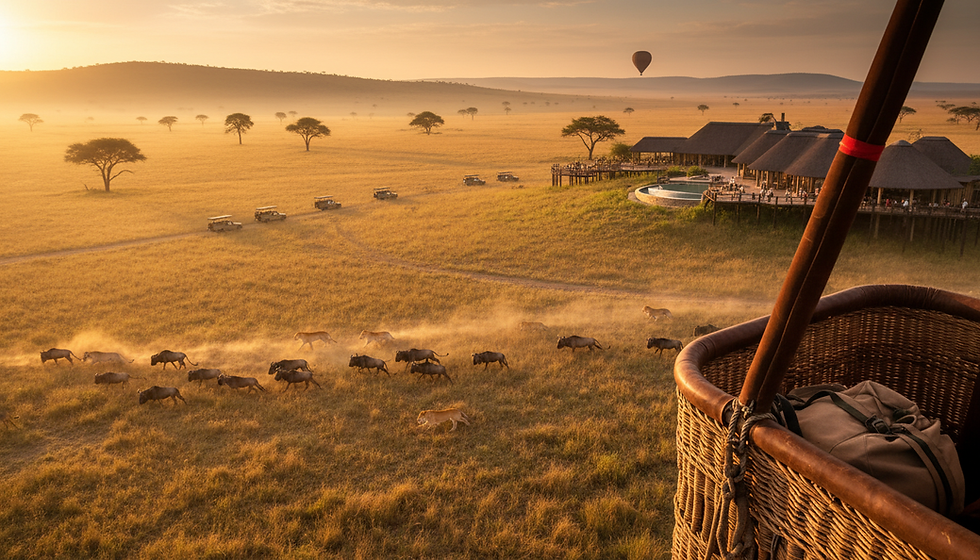
The diversity of wildlife in transfrontier parks is astounding. These parks often encompass multiple ecosystems such as savannas, forests, wetlands, and mountains, each supporting different species. Visitors can expect to see a wide range of animals, from the iconic Big Five to rare birds and reptiles.
For instance, the Kgalagadi Transfrontier Park, spanning South Africa and Botswana, is famous for its large populations of cheetahs and black-maned lions. Meanwhile, the Kavango-Zambezi Transfrontier Conservation Area (KAZA TFCA) is home to the largest population of African elephants in the world.
Birdwatchers also find transfrontier parks rewarding, as many migratory and endemic bird species inhabit these regions. The diverse habitats provide nesting sites and abundant food sources, making these parks hotspots for avian biodiversity.
Examples of notable wildlife in transfrontier parks:
African elephants and Cape buffalo
Lions, leopards, and cheetahs
White and black rhinoceroses
Various antelope species such as impalas and kudus
Rare birds like the African fish eagle and the Pel’s fishing owl

What countries are in the Great Limpopo Transfrontier Park?
The Great Limpopo Transfrontier Park is a prime example of international cooperation in wildlife conservation. It links three national parks across Mozambique, South Africa, and Zimbabwe. This park covers over 35,000 square kilometers, creating one of the largest protected areas in Africa.
The three parks that form the Great Limpopo Transfrontier Park are:
Kruger National Park in South Africa
Gonarezhou National Park in Zimbabwe
Limpopo National Park in Mozambique
This transfrontier park allows animals to migrate freely across borders, which is essential for their survival, especially during droughts or seasonal changes. It also supports a wide range of species, including endangered ones like the African wild dog and the black rhinoceros.
Visitors to the Great Limpopo Transfrontier Park can experience diverse landscapes, from dense forests to open savannas, each teeming with wildlife. The park also offers excellent opportunities for guided safaris, birdwatching, and cultural tours.

How to Experience Wildlife in Transfrontier Parks
Experiencing wildlife in transfrontier parks requires some planning to maximize your visit. Here are practical tips to help you enjoy these natural wonders:
Choose the right season: Dry seasons are generally better for wildlife viewing as animals gather around water sources. However, the wet season offers lush landscapes and opportunities to see newborn animals.
Book guided tours: Local guides have expert knowledge of animal behavior and park geography, increasing your chances of spotting elusive species.
Respect park rules: Stay in designated areas, keep a safe distance from animals, and avoid loud noises to minimize disturbance.
Bring appropriate gear: Binoculars, cameras with zoom lenses, and comfortable clothing are essential for a rewarding experience.
Support local communities: Many transfrontier parks work with nearby villages to promote sustainable tourism, so consider purchasing local crafts or services.
By following these recommendations, visitors can enjoy a safe and enriching wildlife adventure while contributing to conservation efforts.
The Future of Transfrontier Parks and Wildlife Protection
The future of transfrontier parks looks promising as more countries recognize the benefits of cross-border conservation. Advances in technology, such as satellite tracking and drones, are improving wildlife monitoring and anti-poaching measures. Additionally, international funding and partnerships are helping to expand and maintain these protected areas.
However, challenges remain, including habitat loss, climate change, and human-wildlife conflict. Addressing these issues requires continued collaboration between governments, conservation organizations, and local communities.
Promoting awareness and education about the importance of transfrontier parks can also encourage responsible tourism and support for conservation initiatives. By protecting these unique ecosystems, we ensure that future generations can enjoy the incredible wildlife that thrives within them.
For those interested in exploring one of the most remarkable transfrontier parks, the great limpopo transfrontier park offers an unforgettable experience with its rich biodiversity and stunning landscapes.
Transfrontier parks are more than just protected areas - they are symbols of international unity and hope for wildlife conservation. By understanding and supporting these parks, we contribute to preserving the natural heritage of our planet.


Comments