
A Closer Look at Uganda's Unique Wildlife Phenomena
- Orel Safari Scribe

- Jun 21, 2025
- 3 min read
Uganda, often referred to as the "Pearl of Africa," is a treasure trove of unique wildlife experiences. From its lush national parks to its rich biodiversity, it offers visitors an extraordinary opportunity to witness nature at its finest. Home to rare species and fascinating phenomena, Uganda is a haven for wildlife enthusiasts. In this post, we will explore some of the remarkable wildlife experiences that set Uganda apart from other destinations.
Unique Wildlife Habitats in Uganda
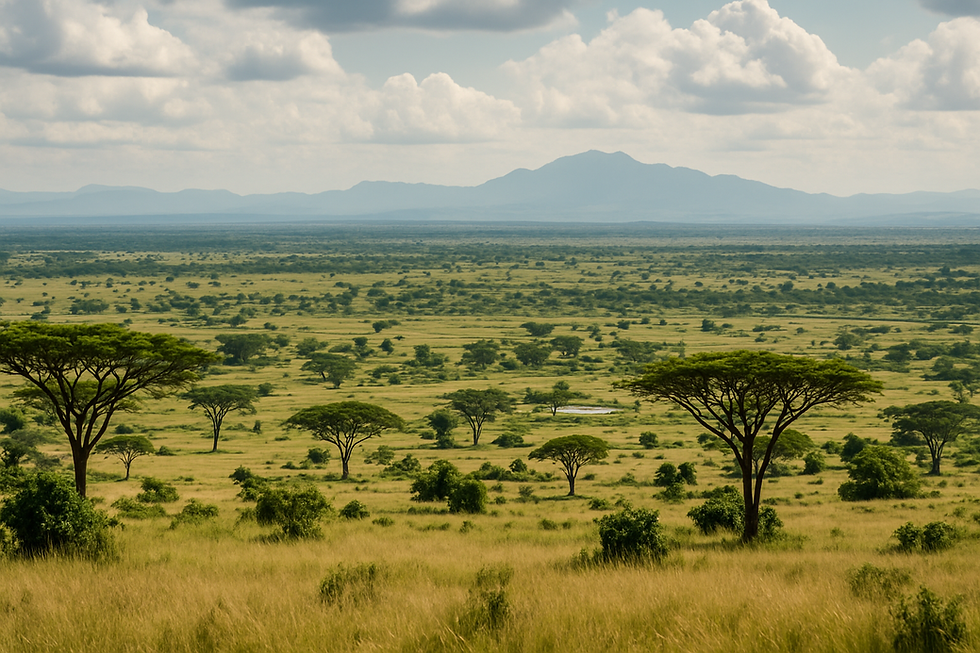
Uganda boasts a variety of ecosystems, each supporting diverse wildlife. The country hosts savannahs, wetlands, rainforests, and mountains, providing homes for numerous species. For example, Queen Elizabeth National Park is famous for its abundant wildlife, including elephants, hippos, and over 600 bird species.
Moreover, the Bwindi Impenetrable Forest is a UNESCO World Heritage site known for its mountain gorillas. It is one of the last remaining habitats for these endangered primates, offering visitors a chance to observe them in their natural environment.
Uganda's Rare Wildlife Experiences
One of the most captivating phenomena in Uganda is the chance to see the tree-climbing lions. Found primarily in the Ishasha sector of Queen Elizabeth National Park, these lions have developed a unique behavior of lounging on the branches of fig trees. This adaptation helps them escape the heat of the day and avoid the annoyance of insects on the ground.
Travelers eager to witness this phenomenon can embark on a guided safari in the park, where expert guides will point out the best places to spot these magnificent creatures. The sight of a lion sprawled lazily on a tree branch is not only unique but truly unforgettable. For more information on this extraordinary experience, check out the tree-climbing lions in Uganda link.

Additionally, Uganda is home to the shoebill stork, a rare bird that can be seen in the wetlands of Murchison Falls National Park. With its distinctive, large bill and prehistoric appearance, the shoebill is a birdwatcher's dream. Guided boat rides along the Nile River offer excellent opportunities for spotting these elusive birds among the lush vegetation.
Unique Ugandan Wildlife Migration Patterns
Uganda is a hub for migratory wildlife due to its diverse ecosystems. Many animals, including elephants and antelope, migrate seasonally in search of food and water. For instance, during the dry season, elephants move from the savannahs of Murchison Falls National Park to the banks of the Nile, where water resources are plentiful.
Further, birds migrate to Uganda each year, making it a top destination for birdwatching. More than 1,000 species can be observed throughout the year, with many arriving to breed during the rainy season. This influx presents a unique opportunity for eco-tourists to witness an abundance of vibrant avian life.

Conservation Efforts and Their Impact
Uganda's unique wildlife is not without challenges. Habitat loss and poaching threaten various species, and conservation efforts are crucial to their survival. Organizations and the government are working tirelessly to protect endangered species and their habitats.
One significant initiative is the promotion of community-based tourism, which empowers local communities to take an active role in conservation. By participating in eco-tourism, locals can benefit economically while preserving their natural heritage. This approach helps ensure that future generations can enjoy Uganda's incredible wildlife.
Visitors can also contribute by choosing sustainable tour operators and taking part in wildlife conservation programs.
The Future of Uganda's Wildlife
The future of Uganda's wildlife remains uncertain, but there is hope. Continued conservation efforts, increased tourism awareness, and community involvement will play vital roles in safeguarding Uganda's unique wildlife phenomena. By prioritizing conservation, not only do we protect these species, but we also enhance the experience for travelers seeking an authentic connection to nature.
When planning your trip to Uganda, consider engaging with local communities and supporting initiatives that promote wildlife conservation. Your visit can leave a lasting impact, ensuring that the extraordinary wildlife of Uganda continues to thrive for generations to come.
In conclusion, Uganda's wildlife is a window into the beauty of nature and the importance of conservation. From the remarkable tree-climbing lions to the breathtaking migratory birds, the country is packed with unique wildlife phenomena that captivate every visitor. With ongoing efforts, we can hope for a future where these incredible species continue to thrive in their natural habitats.


Comments